
What to Expect at Your First Samba Class
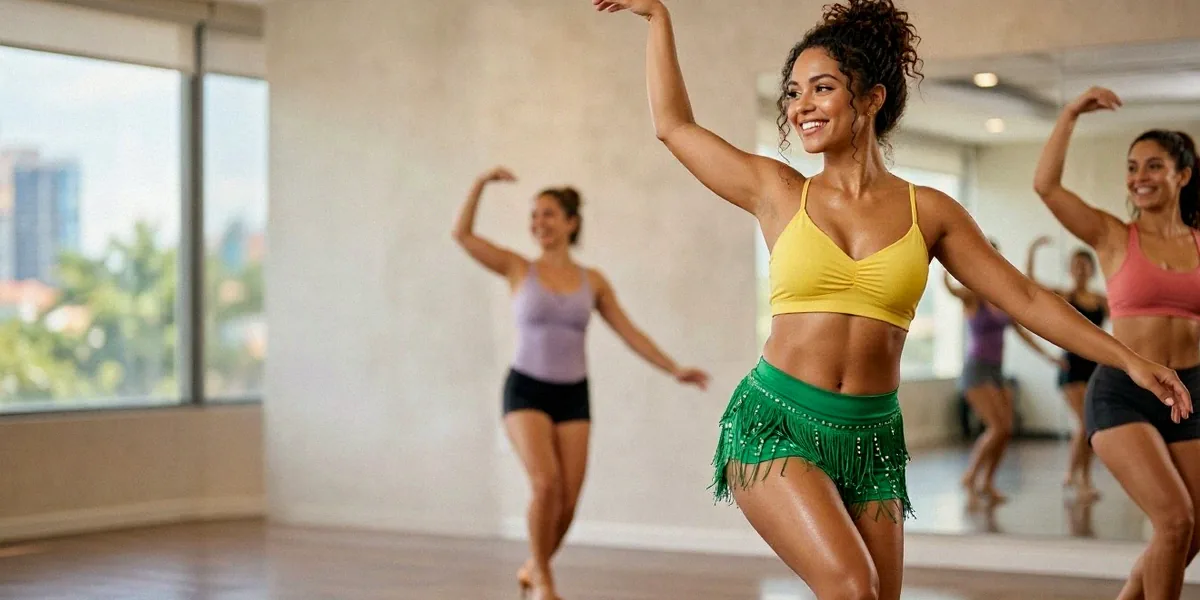
You stand outside a hall in West End, heart thumping a little faster than usual. Through the door you can hear drums — actual drums, not a playlist — and laughter, and the shuffle of feet. You’re not a dancer. You’ve never worn a feather headpiece. You’re half convinced everyone inside was born knowing how to move like that. Here’s the truth: every single person in that room had a first class once, and most of them felt exactly like you do right now. This is what actually happens when you walk through the door of a samba class in Brisbane.
Why We Started Samba (And Why You Should Too)
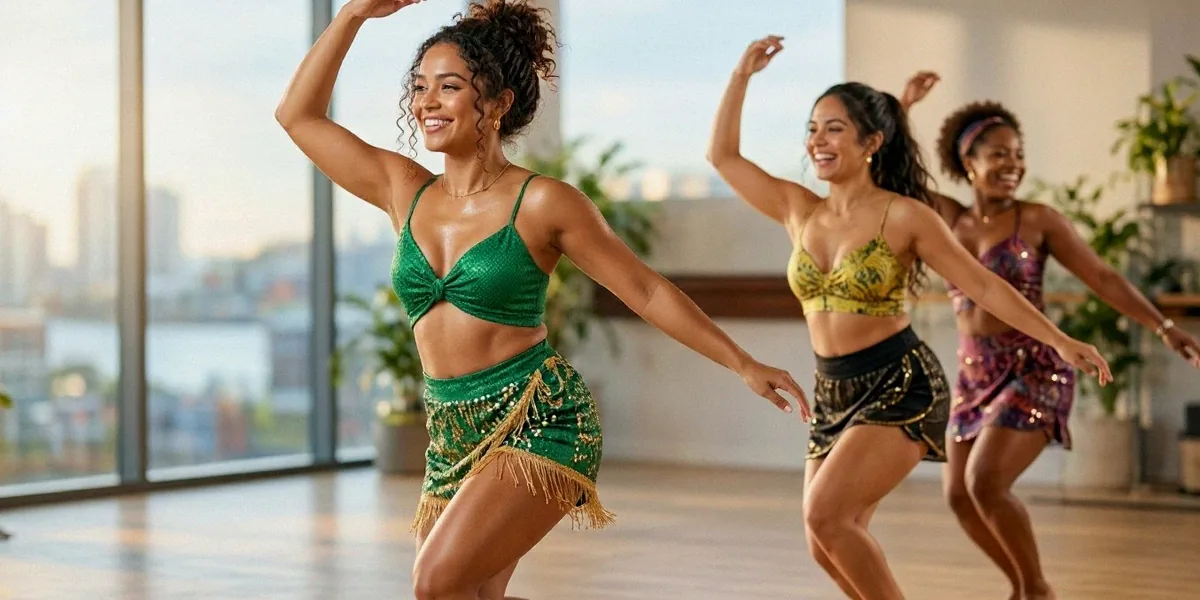
Our team at Unidos de Brisbane didn’t start out as performers. We started as curious people who turned up to a casual Brazilian carnival workshop near South Bank one summer, got handed a tamborim, and never really left. Some of us came from ballroom backgrounds, some from gym classes, and plenty from no dance experience at all. What kept us coming back wasn’t technique — it was the room itself. Samba in Brisbane has a way of dissolving the awkwardness you feel in other dance settings, because the rhythm is loud, the steps are forgiving, and nobody is watching you the way you think they are.
You’ll see that energy on display at events around the city. The Brisbane Powerhouse and South Bank regularly host Brazilian carnival events, and when a batucada group kicks off in a public space, people who have never danced a step in their lives start moving. That’s the pull of it. Samba doesn’t ask you to be good first. It asks you to show up.
The Health Benefits of Samba Dance
Samba is genuinely hard work disguised as a party. A typical class will have you working your core, calves, hips and glutes without ever feeling like you’re doing a workout. Regular samba dance classes improve cardiovascular fitness, balance and posture, and the constant weight-shifting builds strength in the legs and lower back. Because the movements are rhythmic and repetitive, many dancers find it easier to stay with than a treadmill session. It’s also a serious mood lifter — the combination of live percussion, movement and a room full of people smiling at each other does more for stress than most things you’ll try this year.
How Samba Builds Community in Brisbane
Brisbane’s Brazilian community is smaller than Sydney’s or Melbourne’s, which is exactly why it feels tight. Samba schools here function like extended families: you’ll rehearse together, eat together after class, practise for performances, and end up at each other’s birthday parties. Unidos de Brisbane was built on that idea — a local samba school that welcomes beginners rather than gatekeeping them. If you’re new to the city, or just new to this scene, it’s one of the fastest ways to find your people.
What Actually Happens in a Beginner Samba Class
No prior dance experience is needed. That’s not a marketing line — beginner classes are genuinely designed for people who have never danced before. Here’s the general shape of a session.
The Warm-Up: Getting Your Body Ready
Class usually opens with 10 to 15 minutes of guided warm-up. You’ll do ankle and hip mobility work, gentle cardio, and simple isolations to wake up your core. It’s deliberately low-pressure. The goal is to get your joints warm and your brain switched into rhythm mode before anything complicated happens.
Learning the Basic Steps: Samba No Pé and Beyond
Then comes the foundation. Samba no pé is the fundamental solo samba step — a quick, bouncing weight transfer from foot to foot that underpins almost everything else. Instructors break it down slowly, then speed it up as the room finds the groove. From there you’ll layer on variations: travelling steps, turns, and simple combinations that build across the weeks. Nobody expects you to nail it in one lesson. Repetition is the whole method.
Partner Work and Solo Grooves
Depending on the class, you’ll spend time on both. Partner work introduces connection and timing, and you’ll rotate partners so you’re not stuck with one person. Solo grooves let you find your own style within the rhythm — this is where samba stops being steps and starts being fun.
The Cool-Down and Stretch
Class finishes with a proper stretch: hamstrings, calves, hips and lower back. It’s a chance to let your heart rate settle and chat with the people next to you. Don’t skip it — your legs will thank you the next morning.
What to Wear and Bring to Your First Class
You don’t need special gear for your first session, but a little planning makes it much more comfortable. Some Brisbane studios, including a few in West End and Fortitude Valley, have specific requirements around footwear and floor use, so it’s worth checking ahead.
Clothing: Comfort and Movement
Wear breathable, stretchy fabrics — leggings, shorts, a fitted t-shirt or singlet. Avoid anything restrictive around the hips or knees, and skip loose skirts that will fly up during turns. You will sweat, so moisture-wicking material is a real advantage in Brisbane’s humidity.
Footwear: What Works Best
Samba shoes with a small heel are ideal once you’re committed, but for a first class, supportive sneakers with a smooth sole are fine. Avoid running shoes with deep treads — they grip the floor and make turning difficult. If you have jazz shoes or dance sneakers already, bring them.
Extras: Water, Towel, and a Smile
Bring the basics:
- A large water bottle — you’ll need more than you think
- A small towel
- Deodorant and a spare shirt if you’re heading out afterwards
- A positive attitude and zero expectations about getting it right
The Role of Batucada: Live Drumming in Class
This is the part that surprises first-timers most. Many classes include live drumming, and it changes everything.
What Is Batucada?
Batucada is a live percussion ensemble that drives samba music. It’s built from instruments like the surdo (the deep bass drum), the repinique, the tamborim, the agogô and the caixa. In a class setting, the batucada sets the tempo and the feel, and the dancers follow it rather than a recording.
How Live Drumming Changes Your Dance
When a batucada plays, you stop counting in your head and start responding to the sound. The drums give you cues for when to accelerate, when to hold, and when to let go. Drummers from Unidos de Brisbane often play in our classes, which means beginners get the same energy that fuels our carnival performances. It’s louder, warmer and far more motivating than any speaker system.
Finding the Right Samba School in Brisbane
There are a handful of groups across the city, and the right one for you depends on what you want — performance, fitness, social connection, or all three. Unidos de Brisbane is a welcoming option for beginners, but we’d encourage you to look around and see what fits.
Questions to Ask Before Joining
- Do you run dedicated beginner classes, or do newcomers join an advanced group?
- Is live batucada part of regular rehearsals?
- Are there performance commitments, and are they optional?
- What are the term fees, and is there a casual drop-in rate?
- What’s the culture like — competitive, social, or a mix?
Trial Classes and Drop-In Options
Always try before you commit to a term. Most Brisbane samba schools offer a trial class or a casual drop-in rate, which lets you feel the room and the teaching style without pressure. Turn up, dance, and see whether the energy suits you.
After Class: What Comes Next in Your Samba Journey
Your first class is the start of a progression. Once samba no pé feels natural, you’ll move into faster tempos, more complex combinations, and eventually performance choreography. Most dancers notice the shift around the three-to-six month mark, when the steps stop being something you think about.
Performance Opportunities in Brisbane
Samba groups in Brisbane perform at major local events including Paniyiri and the Brisbane Multicultural Festival, as well as community festivals, corporate events and carnival celebrations. Performing is optional, but for many dancers it becomes the highlight of the year — the moment all those Tuesday night rehearsals pay off.
Building Confidence and Technique
Confidence comes from repetition, not talent. The more classes you attend, the more your body remembers, and the more you’re able to relax into the music. Technique follows the same path. Before long you’ll be the person welcoming a nervous newcomer through the door.
FAQ
Do I need any dance experience to join a samba class in Brisbane?
No. Beginner classes are designed for people with zero dance background. If you can walk and count to two, you can learn samba no pé.
What should I wear to my first samba class?
Comfortable, breathable clothing you can move in, plus supportive sneakers with a smooth sole. Bring a water bottle and a towel. Check with the studio about any specific footwear rules.
Is batucada always part of samba classes?
Not always, but many Brisbane schools include live batucada drumming regularly. It’s worth asking before you enrol, because dancing to live percussion is a completely different experience.
How much do samba dance classes cost in Brisbane?
Prices vary by school and term length, but most offer a casual drop-in rate or a trial class so you can test it out before committing to a full term.
Can I perform at events like Paniyiri if I start as a beginner?
Yes, eventually. Most schools give beginners time to build technique before inviting them into performance groups, and participation is usually optional. Dancers who stick with it often perform at Paniyiri, the Brisbane Multicultural Festival and other local events within their first year or two.
Your first samba class is just the beginning of a fun, supportive journey into Brazilian carnival culture. You don’t need rhythm, coordination or the right shoes — you just need to turn up once. Unidos de Brisbane and other local samba schools are full of people who started exactly where you are now, nervous at the door and grinning by the end of the warm-up. Take the leap, book a class in Brisbane, and let the drums do the rest.